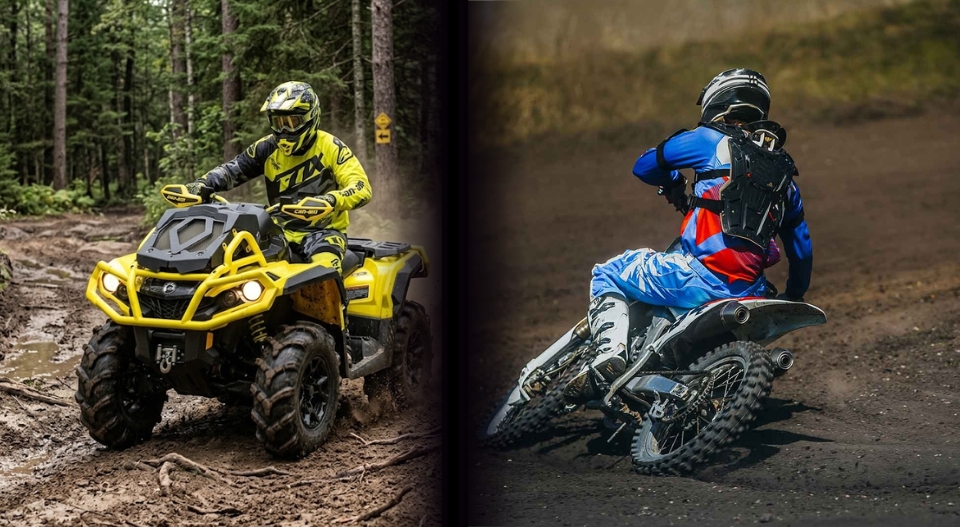
Owning an ATV in Alberta comes with unique demands. Riders regularly deal with dust, mud, uneven terrain, and long periods of cold weather. These conditions place consistent stress on key components such as the engine, air intake system, and battery. Without a clear maintenance routine, even a well-built ATV can start to lose performance faster than expected.
Many breakdowns are not caused by major failures. In most cases, they result from small issues that were missed over time—dirty air filters, low fluids, or worn components. Following basic ATV maintenance tips and sticking to a simple schedule can significantly reduce the risk of unexpected repairs and downtime.
Why Regular ATV Maintenance Matters in Alberta
Riding conditions in Alberta are significantly different from many other regions, and they directly impact how often your ATV needs attention. Temperature swings, moisture, and terrain all contribute to faster wear, even when the machine is used responsibly.
Cold weather is one of the main factors. In early spring and late fall, low temperatures affect battery performance, reduce oil efficiency, and make cold starts harder on the engine. According to Government of Alberta off-highway vehicle guidance, proper maintenance is essential for safe and reliable operation, especially in changing seasonal conditions.
Moisture and mud are equally important. Riding on wet trails or through mud introduces water and debris into critical areas such as bearings, brakes, and air intake systems. Over time, this can lead to corrosion, reduced braking efficiency, and restricted airflow to the engine. Dust during dry summer months creates the opposite problem, clogged air filters, which reduces engine performance and increases fuel consumption.
Suspension components also take a consistent hit in Alberta’s terrain. Uneven trails, rocks, and elevation changes put stress on shocks, bushings, and joints. Without regular inspection, small issues can turn into costly repairs affecting both ride quality and safety.
From a cost perspective, routine maintenance is predictable and relatively low compared to major repairs. Replacing fluids, cleaning filters, and inspecting components at regular intervals helps avoid engine damage, electrical failures, or brake system issues. In contrast, neglect often leads to breakdowns that require more time, higher repair costs, and potential downtime during peak riding season.
ATV Maintenance Schedule: What to Check and When
Maintenance intervals are not one-size-fits-all. How often you service your ATV depends on how you use it. Occasional recreational riding on maintained trails puts less strain on components compared to frequent use in mud, water, or heavy-duty conditions such as hauling or backcountry riding. That’s why most manufacturers recommend tracking service by hours of use rather than just calendar time.
Understanding how often to service ATV equipment starts with separating quick checks, routine maintenance, and deeper inspections. The structure below gives a practical schedule that aligns with common manufacturer guidelines and real Alberta riding conditions.
Before Every Ride (Quick Checks)
A short inspection before each ride helps catch issues early and reduces the risk of breakdowns on the trail.
Start with tire pressure and overall tire condition. Uneven or low pressure affects handling and increases wear, especially on rocky or uneven terrain. Check the brakes to ensure they respond properly without delay or noise.
Throttle and controls should move smoothly without sticking. This is critical for safety, particularly on technical trails. Lights should also be working correctly if you expect reduced visibility.
Finally, look for visible fluid leaks under the ATV. Oil, coolant, or brake fluid leaks are early indicators of problems that should not be ignored before riding.
Every 10–20 Hours of Use
At this stage, maintenance becomes more preventive than reactive. Oil level and condition should be checked regularly, especially if the ATV is used in demanding conditions.
Air filter maintenance is one of the most important tasks in Alberta. Dust and fine particles from dry trails can clog the filter quickly, reducing airflow and engine efficiency. Cleaning or replacing the air filter at regular intervals helps maintain performance and fuel efficiency.
Inspect the chain or belt (depending on your model) for wear, tension, and alignment. Improper tension can lead to premature wear or failure.
Lubrication points, including joints and moving components, should also be serviced to reduce friction and extend component life.
Every 50–100 Hours or Seasonal Service
This is a more in-depth service interval and often aligns with mid-season or end-of-season maintenance.
Engine oil and filter should be replaced to maintain proper lubrication and prevent internal wear. Spark plugs should be checked for buildup or wear, as they directly affect engine performance and starting reliability.
Battery condition becomes especially important in Alberta due to temperature fluctuations. Check connections, charge level, and overall condition to avoid unexpected starting issues.
The brake system should be inspected more thoroughly, including pads, discs, and fluid levels. Coolant levels should also be checked to ensure the engine maintains proper operating temperature.
Annual / Pre-Season Inspection
Before the main riding season begins, a full inspection is recommended. This is especially important after winter storage, when the ATV may have been unused for several months.
The fuel system should be checked for stale fuel, condensation, or blockages. Old fuel can affect performance and starting reliability.
Suspension components and bearings should be inspected for wear or damage caused by previous riding seasons. Addressing these issues early helps maintain ride quality and control.
For accurate intervals and model-specific requirements, it is always best to follow manufacturer recommendations from brands such as Honda Canada or Yamaha Motor Canada, as outlined in their official owner manuals.
A Simple Maintenance Framework You Can Follow
Many ATV owners understand the importance of maintenance but struggle with consistency. The issue is not lack of knowledge—it’s the absence of a simple system. Instead of trying to remember multiple intervals and tasks, it’s more effective to follow a clear three-step framework that fits into your routine.
The goal is not to make maintenance more complex. It’s to make it repeatable and easy to follow, even during busy periods.
1. Quick Checks (Every Ride): This is your first line of defence. A short inspection before each ride takes only a few minutes but helps prevent immediate safety issues and unexpected breakdowns.
2. Routine Service (Monthly or Hours-Based): This layer covers the ongoing health of your ATV. Instead of tying it strictly to calendar dates, it’s more reliable to align routine service with usage—typically every 10–20 hours of riding.
3. Full Inspection (Seasonal): A full inspection is your reset point. It prepares the ATV for the next riding season or ensures it is properly maintained after heavy use.
This three-step framework removes guesswork. Instead of tracking dozens of individual tasks, you follow a structured approach that covers daily, ongoing, and seasonal needs. Consistency is what prevents most issues—not complexity.
Common Signs Your ATV Needs Service
Even with a structured maintenance routine, your ATV will often give early warning signs when something is off. Recognizing these signals early helps prevent more serious damage and reduces repair costs.
A noticeable loss of power is one of the most common indicators. This often points to restricted airflow (dirty air filter), fuel delivery issues, or worn spark plugs. In Alberta’s dusty conditions, air filters can clog faster than expected, limiting engine efficiency.
Hard starting, especially in cold mornings, is another clear sign. Low temperatures put additional strain on the battery and can thicken engine oil, making ignition more difficult. If the ATV struggles to start consistently, the issue may be related to battery condition, fuel quality, or ignition components.
Unusual noise or vibration should not be ignored. Grinding, knocking, or excessive vibration can indicate loose components, drivetrain issues, or internal engine wear. These problems tend to worsen quickly if left unchecked.
Poor braking performance is a safety concern. If braking feels less responsive or requires more pressure, it may be due to worn brake pads, contaminated components, or low brake fluid. Riding in wet or muddy conditions can accelerate this type of wear.
Smoke or unusual запах (odour) is typically linked to fluid-related issues. Burning smells may indicate oil leaks, overheating components, or debris contacting hot engine parts. Exhaust smoke can signal fuel mixture problems or internal engine wear.
In most cases, these symptoms develop gradually. Addressing them early allows for simple fixes rather than major repairs.
What to Do First If Performance Drops
When performance drops, the priority is not diagnosis—it’s control. The wrong reaction is to keep riding and “see if it improves.” The right approach is to act quickly and reduce risk.
Start by reducing load immediately. Slow down, avoid aggressive throttle, and stop climbing or towing. If the ATV is under stress, continuing to push it can turn a minor issue into engine or drivetrain damage within minutes.
Bring the ATV to a controlled stop in a safe location. Do not continue riding to “finish the route,” especially if you notice power loss, hesitation, or abnormal behaviour. Let the engine idle briefly, then shut it off. This helps stabilize temperature and prevents additional strain on internal components.
After stopping, give the machine time to cool down before doing anything else. Overheating is a common factor behind performance issues, especially in low-speed or high-load conditions. Restarting too quickly can worsen the situation.
Your next step is a quick decision: continue or stop completely. If performance returns to normal after a restart and no warning signs remain, you may proceed cautiously at reduced intensity. However, if the issue persists—even slightly—the correct decision is to end the ride.
Do not attempt to “ride through” power loss, vibration, or braking changes. These are not temporary fluctuations. They are early indicators of mechanical or system-level problems.
There is also a clear boundary where DIY stops. If the ATV shows repeated power drops, inconsistent response, electrical instability, or any safety-related concern, it should not be used until inspected by a technician. At that point, the focus shifts from prevention to proper diagnosis.
The key principle is simple: reduce load, stop early, and avoid escalation.
DIY vs Professional ATV Service
Basic ATV maintenance can be handled by most owners, but there is a clear line between routine care and work that requires professional attention. Understanding this boundary helps protect both your machine and your safety.
Simple tasks such as cleaning or replacing the air filter, checking tire pressure, monitoring fluid levels, and basic lubrication are safe to perform with minimal tools. These actions are part of regular upkeep and align with standard ATV maintenance tips recommended by manufacturers.
However, more complex systems require experience and proper equipment. Engine diagnostics, electrical issues, brake system repairs, suspension work, and anything involving internal components should be handled by certified technicians. These systems are directly tied to safety and performance, and incorrect handling can lead to further damage or unsafe riding conditions.
There are also warranty considerations. Many manufacturers require that certain types of service be performed according to their guidelines to maintain warranty coverage. Following recommendations ensures compliance with maintenance standards and helps avoid issues with future claims.
From a regulatory perspective, while Alberta does not mandate routine service intervals for off-highway vehicles, safe operation remains the responsibility of the owner. Guidance from organizations such as the Government of Alberta emphasizes proper maintenance as a key factor in reducing risk on trails and public land.
In practice, the most effective approach is a combination of both. Handle routine maintenance consistently, and rely on professional service when systems go beyond basic inspection or when performance issues are not clearly resolved. Thinking about upgrading to a reliable pre-owned machine? Explore financing options that fit your budget.
If your ATV is due for inspection or showing early signs of wear, choosing the right service package can save time and prevent costly repairs. Explore available options here.