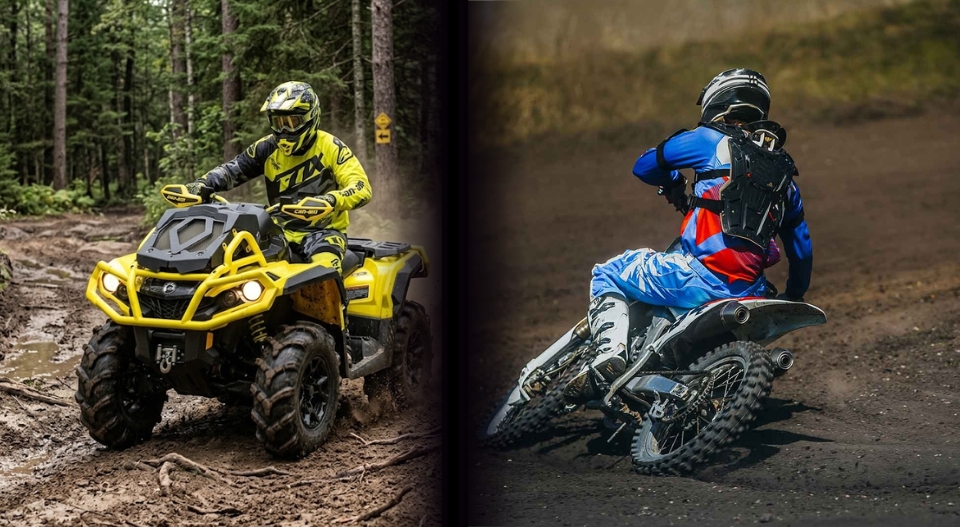
In Alberta, owning an ATV is often less about recreation and more about practicality. For acreage owners outside Edmonton, farmers, hunters, and rural homeowners, a quad is a work tool. It moves equipment across uneven ground, clears fence lines, accesses bush land, and handles snow-covered trails in early spring and late fall. That reality shapes how buying used atv decisions are made in this province.
New models continue to increase in price, especially in the 500cc–700cc utility segment that most rural buyers actually need. For many households, the smarter approach is learning how to buy a used atv properly — not simply finding the lowest price. In Alberta’s climate, an ATV can experience significant wear from cold starts, mud, water crossings, and winter storage conditions. A well-maintained used machine can be dependable for years. A neglected one can become expensive quickly.
When approached correctly, buying used atv inventory in Alberta can deliver strong value — especially when you focus on reliability, documented maintenance, and machines built for Western Canadian terrain.
Understand Alberta Regulations Before You Shop
Before you focus on engine size or price, it’s important to understand how ATV ownership works in Alberta. Regulations are clear, and ignoring them can lead to fines, riding restrictions, or insurance issues. If you’re learning how to buy a used atv, compliance should be part of your decision process — not an afterthought.
The Government of Alberta classifies ATVs as Off-Highway Vehicles (OHVs). The rules apply whether you plan to use your quad for work on rural property or recreation on public land.
Registration & Licence Plate Requirements
Under Alberta’s Traffic Safety Act, most ATVs must be registered if operated off private property. Registration is handled through Alberta registry agents and requires:
- Vehicle Identification Number (VIN)
- Bill of sale
- Proof of ownership
The registration number must be displayed on the vehicle as required by provincial standards.
If you’re buying used atv from a private seller, confirm:
- The VIN matches the paperwork
- The seller is the registered owner
- There are no discrepancies in documentation
Failure to verify ownership can create problems when transferring registration.
Insurance Requirements
In Alberta, insurance is mandatory if you operate your ATV on public land, Crown land, or public trails. Liability coverage is required, even if the vehicle is used primarily for recreation.
Many rural owners assume insurance is only necessary for road use. That is incorrect. If the machine leaves private property and enters public land, coverage is required.
Before purchasing, factor in insurance costs as part of your total budget.
Where You Can Legally Ride in Alberta
Alberta has specific OHV regulations covering:
- Crown land use
- Designated trail systems
- Municipal bylaws
- Environmental protection zones
Riders must follow posted trail signage and avoid restricted areas. Certain municipalities near Edmonton and surrounding counties may impose additional bylaws limiting ATV operation within town boundaries.
If your primary goal is accessing hunting areas, forestry roads, or recreational trails, verify local access rules before choosing a machine. Understanding these regulations early protects you during ownership transfer and ensures your ATV can legally be used where you intend to ride.
Set Clear Expectations: Work Machine or Recreation Quad
One of the most common mistakes first-time buyers make is choosing an ATV based on price alone. In Alberta, terrain and workload matter more than appearance or brand preference. Before evaluating listings, clarify how the machine will actually be used. This step is essential when learning how to buy a used atv that will remain dependable long term.
For acreage owners and rural residents outside Edmonton, ATVs are typically used for hauling fencing supplies, moving feed, towing small trailers, clearing snow, or accessing bush land during hunting season. Recreational trail riding has different demands than work on uneven rural property.
Engine Size & Practical Use
In Alberta conditions, engine size should match real workload expectations:
400–500cc - Suitable for light acreage tasks, basic trail riding, and moderate hauling. Often more fuel-efficient and easier for first-time riders to control.
500–700cc - A strong balance for most rural Alberta owners. Handles towing, snow conditions, uneven terrain, and longer trail access routes with more torque and stability.
700cc and above - Better suited for heavy-duty farm use, large property maintenance, or consistent hauling. More power also means higher fuel consumption and potentially higher repair costs if maintenance has been neglected.
When evaluating a used quad, avoid assuming that bigger always means better. A properly maintained mid-range machine is often more practical and can be among the most reliable atvs for rural Alberta use.
2WD vs 4x4 in Alberta Terrain
Alberta weather and terrain make drivetrain selection important. 2WD models may be sufficient for dry trail riding and light property use. 4x4 systems are strongly recommended for mud, snow, spring thaw conditions, and uneven bush access.
Most rural buyers in Alberta benefit from 4x4 capability. It adds traction during early spring melt and fall hunting season when ground conditions are unpredictable. If you plan to operate on Crown land or backcountry access roads, 4x4 is often the safer and more practical choice.
How to Evaluate a Used ATV: Step-by-Step Inspection Guide
This is the practical part of how to buy a used atv without guessing. The goal isn’t to become a mechanic — it’s to spot deal-breakers early, confirm the ATV can be legally transferred in Alberta, and avoid paying for problems you can’t see in photos.
Start With Paperwork, VIN, and Ownership Proof (Before You Look at Condition). In Alberta, a proper bill of sale and clear ownership details protect you from registration issues later. At minimum, a bill of sale should include buyer and seller names/addresses, the VIN, vehicle details (year/make/model), price, and signatures.
What to do on the spot:
- Visually confirm the VIN on the machine and ensure it matches the bill of sale and any registration paperwork.
- If buying from a business, ensure you receive a fully completed purchase document (don’t rely on vague deposit paperwork).
Walk-Around Inspection: Frame, Plastics, and Signs of Hard Use. Before starting the engine, do a slow walk-around:
- Look for frame damage, cracks, or obvious repairs.
- Check for misaligned plastics, broken mounts, and missing fasteners (often signals repeated impacts or frequent teardown).
- Look underneath for fresh scrapes, bent skid plates, or damage around the A-arms.
A used ATV doesn’t need to look perfect, but it should look consistent. “One side looks brand new, the other looks beat up” usually means a story.
Fluids and Leaks: Quick Checks That Catch Big Problems. You’re looking for signs of neglect, leaks, or overheating:
- Scan around the engine and undercarriage for oil or coolant leaks.
- Check oil level/condition if access is easy (milky oil can indicate water contamination).
- Smell for burnt odours around the engine area after it runs briefly.
Honda’s owner guidance emphasizes checking fluid levels and looking for leaks as part of routine pre-ride inspection; it’s a reliable baseline for what “normal” looks like.
Controls and Safety Functions: Non-Negotiables. These are fast checks that reveal real wear:
- Throttle: should move smoothly and return properly in all handlebar positions (sticky throttle is a major safety issue).
- Brakes: levers/pedals should feel firm and respond consistently.
- Engine stop switch: confirm it works.
- Steering play: excessive looseness can mean worn components.
The Quad Council of Canada’s inspection guidance is a good reference point here: smooth throttle operation, functioning brakes, and control checks are core safety items and they’re easy to test during a purchase visit.
Tires, Suspension, and Drivetrain: Where Repair Costs Add Up. Focus on visible wear:
- Tires: uneven tread wear or dry cracking can hint at storage issues.
- Suspension: look for sagging, leaks around shocks, and looseness at joints.
- Drivetrain: listen for clunks when shifting or engaging drive.
If the ATV is 4x4, confirm engagement works smoothly (don’t accept “it probably works” as an answer).
Start It Cold and Listen (If the Seller Won’t, Treat That as a Signal). A cold start tells you more than a warmed-up engine: Does it start cleanly? Does it idle steadily? Any heavy ticking, knocking, or obvious smoke?
If the seller insists on warming it up first, ask why. For a first-time buyer in Alberta, cold-start transparency is part of buying smart.
Short Test Ride: Basic Function Over Speed. If a test ride is possible, keep it simple:
- Throttle response
- Braking
- Steering straightness
- No grinding or slipping
You’re not testing top speed — you’re confirming normal operation.
What to Do If You’re Unsure. If you’re new to buying used atv inventory, the safest move is to: bring someone experienced, or ask for an inspection at a qualified shop / dealership service department (especially if you’re spending serious money).
This is one reason many first-time buyers prefer inspected pre-owned inventory through established dealers: less uncertainty, clearer documentation, and fewer surprises later.
Private Seller vs Alberta Dealership: Risk Comparison
Once you understand how to inspect a machine, the next decision is where to buy. In Alberta, most first-time buyers choose between a private sale and a licensed dealership. Both options exist across the Edmonton region and rural communities — but the level of risk is not the same.
If you’re serious about buying used atv inventory responsibly, this comparison matters more than negotiating the last few hundred dollars.
Private Sale: Lower Price, Higher Responsibility
Private listings are common across Alberta, especially in rural areas. You may find competitive pricing, particularly for older utility models.
However, in a private sale:
There is typically no warranty.
You rely entirely on the seller’s description.
Inspection is your responsibility.
Documentation errors can delay registration.
There is no structured dispute resolution if problems appear later.
In Alberta, private vehicle sales are generally “as-is.” That means once money changes hands, mechanical issues become the buyer’s responsibility.
For experienced ATV owners who understand service history and mechanical condition, private sales can work. For first-time buyers learning how to buy a used atv, the margin for error is smaller.
Licensed Alberta Dealership: Structured Process, Reduced Uncertainty
Purchasing from a licensed Alberta dealership changes the transaction environment.
Benefits typically include:
- Verified VIN and ownership documentation
- Clear bill of sale and transfer paperwork
- Inspection before listing
- Defined purchase agreement
- Financing options (if required)
In Alberta, automotive businesses are regulated under provincial consumer protection frameworks. While powersports dealers are not identical to automotive dealers, licensed operations are still subject to business standards and documentation requirements.
For first-time buyers, the biggest advantage is reduced uncertainty. You’re less likely to face hidden paperwork issues, unclear ownership history, or major undisclosed damage.
That doesn’t eliminate the need to inspect the ATV. It simply lowers the risk profile. Before committing to a private listing, it’s worth comparing available inspected inventory. You can browse available used quads here.
Buying your first quad in Alberta is not just a purchase — it’s an investment in how you work and move across your property. For acreage owners, hunters, and rural residents outside Edmonton, an ATV often becomes part of daily routine. That is why understanding how to buy a used atv properly matters more than finding the lowest advertised price.
The process is straightforward when approached methodically:
- Confirm Alberta registration requirements and paperwork.
- Match engine size and drivetrain to your actual terrain and workload.
- Inspect the machine carefully, focusing on structure, maintenance history, and function.
- Weigh the risk difference between private sales and licensed dealerships.
When buying used atv inventory in Alberta, long-term reliability should guide the decision. A well-maintained machine with clear documentation will outperform a cheaper unit with unknown history. In rural conditions — mud, snow, and uneven ground — durability matters.
Take a moment to compare inspected inventory and see what is currently available through licensed Alberta dealers.
%20(4).png)