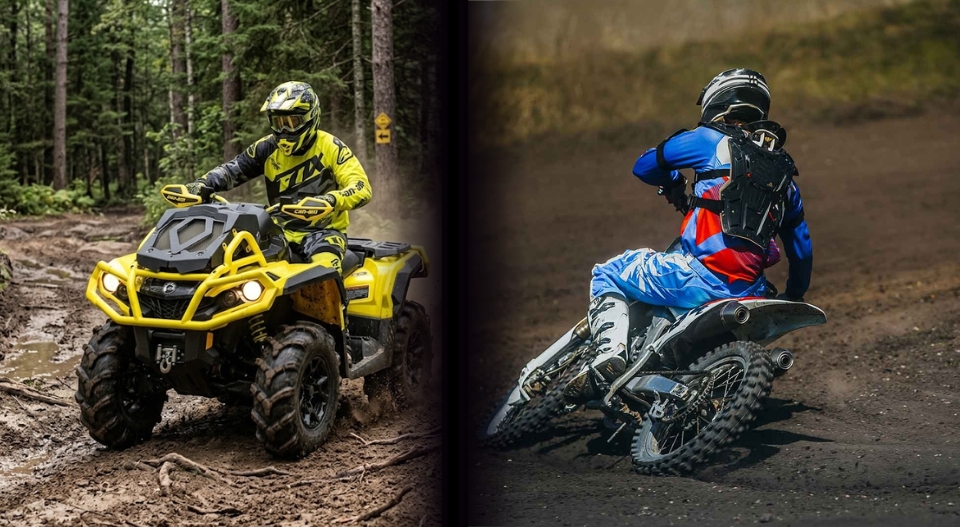
Buying a pre-owned ATV or side-by-side can be a strategic choice for riders in Alberta. The province’s vast network of trails, recreational zones, and agricultural land makes powersport vehicles a practical investment. Choosing a used or second-hand unit often means lower upfront costs, slower depreciation, and access to higher-tier models that might be unaffordable.
In Canada, new powersport equipment prices have steadily risen due to supply chain volatility and increased demand for recreational vehicles post-2020. As a result, the pre-owned market has grown significantly — not just in volume, but in buyer sophistication. Knowing how to properly evaluate a used ATV or side-by-side can protect you from costly mistakes and ensure you get full value from your investment.
This article outlines what you need to look for before making a purchase, including critical inspection points, red flags, and practical insights tailored to the Alberta market.
Pre-Purchase Checklist: What You Need to Know
Not all used powersport vehicles are equal and in a province like Alberta, where terrain and weather conditions vary dramatically, a thorough pre-purchase inspection is essential. Whether you’re considering a second-hand ATV for seasonal trail riding or a side-by-side for year-round utility work, identifying signs of wear, abuse, or neglect before purchase can save you thousands in unexpected repairs. We break down the key components you should examine closely — beyond just a quick startup and a glance at the odometer — to ensure the unit you’re buying is both safe and mechanically sound.
Visual Inspection
The first step in evaluating a pre-owned powersport vehicle is a thorough visual inspection. Begin by checking the frame for signs of cracks, welding repairs, or rust — particularly around joints and load-bearing areas. Any indication of structural repair may suggest previous accidents or off-road damage. Look at the plastic panels and bodywork for deep scratches, cracks, or discolouration, which could indicate hard use or prolonged exposure to sunlight and moisture.
The condition of the seat, handlebars, and controls also provides clues about how the vehicle was treated. Worn grips or mismatched components may signal improvised repairs or long-term neglect.
Mechanical Condition
Mechanical issues are often hidden from plain view, so it’s critical to conduct a hands-on check. Start with the engine: look for oil leaks around seals, exhaust joints, and gaskets. When possible, inspect the oil itself — it should be clean and free of metal flakes. Dark, sludgy oil could suggest overdue maintenance or internal wear.
Suspension and steering systems should move smoothly without excessive play or noise. Test the shocks by compressing them and checking for even rebound. Check the CV boots for cracks or grease leaks, which may lead to costly axle replacements. Don’t forget the brakes — rotors should be smooth, pads thick enough, and cables or hydraulic lines free from damage.
Some sellers may warm up the engine before showing the machine, masking cold-start issues. Always try to cold-start the engine yourself if the opportunity exists.
Hours, Mileage, and Usage
Unlike automobiles, ATVs and side-by-sides are judged more by engine hours than kilometres. While there is no strict rule, anything under 200 hours is considered relatively low for recreational use, but this varies depending on the model and maintenance history.
More important than the raw numbers is how the unit was used. A second-hand quad used for trail riding on weekends may have experienced far less wear than one used daily on a farm or construction site. Ask detailed questions about past usage — not just the hours, but the conditions: mud, snow, hauling, or rocky terrain. It’s also worth asking whether the previous owner used the unit year-round or seasonally, and if it was stored indoors.
VIN and Ownership History
Every ATV or SxS should have a clearly legible Vehicle Identification Number (VIN), typically located on the frame near the front suspension or under the seat. Use this number to run a history check through third-party services like CARFAX Canada or provincial registries to uncover any reports of theft, insurance claims, or salvage status.
Also, request maintenance records or service logs. Many certified pre-owned dealers provide documentation showing when oil changes, belt replacements, or valve checks were done — a major advantage over buying from a private seller who may have no paperwork at all. Avoid any unit with missing ownership documents or unclear registration status.
Used vs Certified Pre-Owned: What’s the Difference?
The powersport industry uses overlapping terms: “used,” “second-hand,” and “pre-owned” are often interchangeable in casual speech. However, “certified pre-owned” (CPO) carries a more formal implication — typically referring to a unit that has passed a comprehensive inspection process and may come with limited warranty coverage.
CPO units are most often sold through licensed dealers, not private sellers. These vehicles undergo multi-point inspections and often have wear items replaced before hitting the sales floor. While they may be priced slightly higher, they offer added peace of mind — especially for first-time buyers or those without mechanical expertise.
If you’re evaluating a certified unit, ask for the inspection checklist and confirm whether the certification is internal (dealer-backed) or third-party verified. Check whether the unit includes a warranty and what components are covered. Keep in mind that in Alberta, consumer protections differ depending on whether you buy from a dealer or a private party.
Top Mistakes to Avoid When Buying Second-Hand Powersports
Skipping the test ride is one of the most common mistakes. A machine may look pristine but handle poorly under load or show issues with shifting and throttle response. If you’re not allowed to ride it — especially in a private sale — that’s a red flag.
Failing to check the vehicle history leaves you vulnerable to purchasing stolen, salvaged, or heavily damaged machines. Always verify ownership and registration details, especially if the price seems unusually low.
Ignoring the long-term cost of ownership is another trap. Older second-hand units might need immediate servicing or part replacements, which can add hundreds or even thousands of dollars to your purchase. Common wear items like drive belts, tires, batteries, and brake pads should all be factored into your budget.
Finally, underestimating seasonal demand in Alberta can affect both availability and pricing. Spring and summer see a surge in demand — if you’re shopping during these months, be ready to act fast, but don’t skip due diligence in fear of missing out.
Buying a second-hand or pre-owned ATV or side-by-side can be a smart move — but only if you approach it with the same diligence you would apply to any major vehicle purchase. A careful inspection, understanding the machine’s history, and awareness of the differences between private sales and certified dealers will help you avoid costly surprises.
Whether you’re looking for a weekend trail machine or a workhorse for your property, Alberta’s pre-owned powersport market offers a wide range of options. Take the time to research, inspect, and compare — and you’ll find a ride that delivers value and performance for years to come.
%20(4).png)